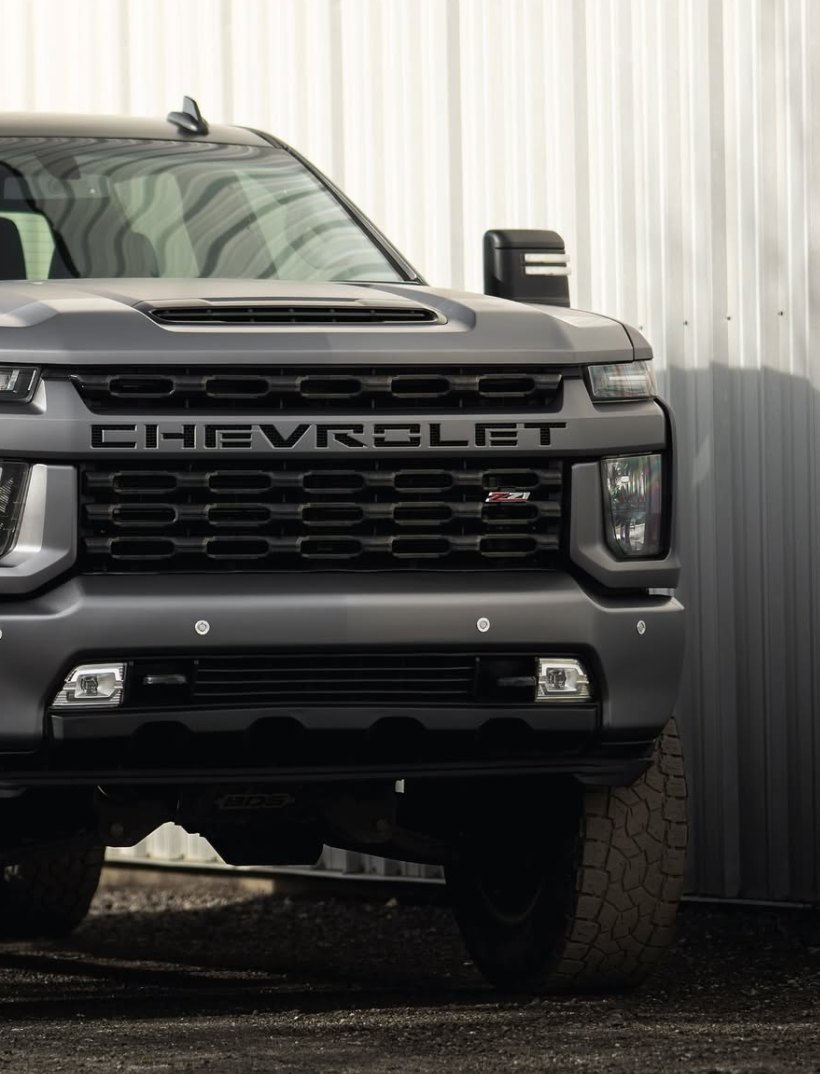

- PPF is a thick, clear urethane film that physically stops rock chips and scratches.
- Ceramic coating is a thin, hard layer for gloss and easy cleaning. It won’t stop chips.
- On Calgary roads, protect the front end with PPF first. A coating over the whole vehicle — film included — makes winter washes easier.
- Get the paint corrected first. Both lock in whatever is underneath.
What each one actually does
Paint protection film (PPF) is a clear (or satin) urethane film applied to the painted panels. It’s thick enough to absorb gravel and road debris, and self-healing film lets light swirls disappear with heat. Quality PPF typically lasts 7–10 years in Calgary conditions with basic care, and premium films carry a manufacturer warranty against yellowing, cracking and peeling.
Ceramic coating is applied as a liquid and cures into a thin, hard, hydrophobic layer. It adds deep, wet-look gloss, and brine, road film and grime release far more easily. Professional coatings last years rather than months, depending on the product and how the vehicle is washed and stored.
Side by side
| PPF | Ceramic coating | |
|---|---|---|
| Stops rock chips | Yes | No |
| Light swirls | Self-heal with heat | Fewer from washing |
| Gloss | Good | Excellent |
| Easier washing | Somewhat | Yes |
| Finish | Gloss or stealth satin | Enhances the existing finish |
| Typical lifespan | 7–10 years | Years, depending on product |
| Starting price at C3 | From $895 (partial front) | Quoted after inspection |
Why Calgary changes the answer
Calgary roads are hard on the front of a vehicle. Winter sanding and gravel, construction zones and highway driving on routes like Deerfoot Trail, Stoney Trail and Highway 2 mean chips land on the bumper, hood, headlights and mirrors first. A coating can’t stop those. Film can.
Winter adds brine and road film, and that’s where a coating earns its keep: grime comes off with less scrubbing, which means fewer wash swirls on the paint you’re trying to protect.
How to choose
You drive highways often, have a new or high-value vehicle, or you’re tired of rock chips. Start with a partial front ($895) or full front ($1,800).
Chips aren’t your main worry, but you want more gloss and easier washing all year.
You want the front end protected and the whole vehicle easy to clean. The most popular combination: PPF on the front, ceramic coating over everything — including on top of the film.
Do the paint correction first
Both products lock in whatever is underneath. Swirls and haze under a coating stay there, and chips and scratches still show under film. That’s why we usually recommend at least a light polish before a coating — even on new vehicles — and inspect the paint before quoting PPF. More on paint correction and detailing.
What it costs at C3
- PPF: partial front from $895, full front from $1,800, track pack from $2,200 and full body from $4,200 on most cars. Trucks, large SUVs and exotics can run higher.
- Ceramic coating: quoted after inspection, based on vehicle size, paint condition and how much correction is needed. See ceramic coating.
Every job starts with a free, written, itemized quote — no deposit to get a number.
Protect it properly.
Tell us about your vehicle and how you drive. We’ll recommend film, coating or both — in writing.